What Is Soil Conditioner, And Why It Matters More Than You Think
Soil conditioner is one of those quiet, behind the scenes elements in a garden that makes everything else work better. It is not a fertilizer in the traditional sense, and it is not simply soil either. Think of it as a foundational ingredient that improves the structure, texture, and overall health of your soil so plants can truly thrive, not just survive.
At its core, a soil conditioner is any organic or natural material added to soil to enhance its physical qualities. This includes compost, aged manure, leaf mold, finely ground pine bark, and other decomposed organic matter. What makes it so powerful is not just what it adds, but how it transforms the soil itself.
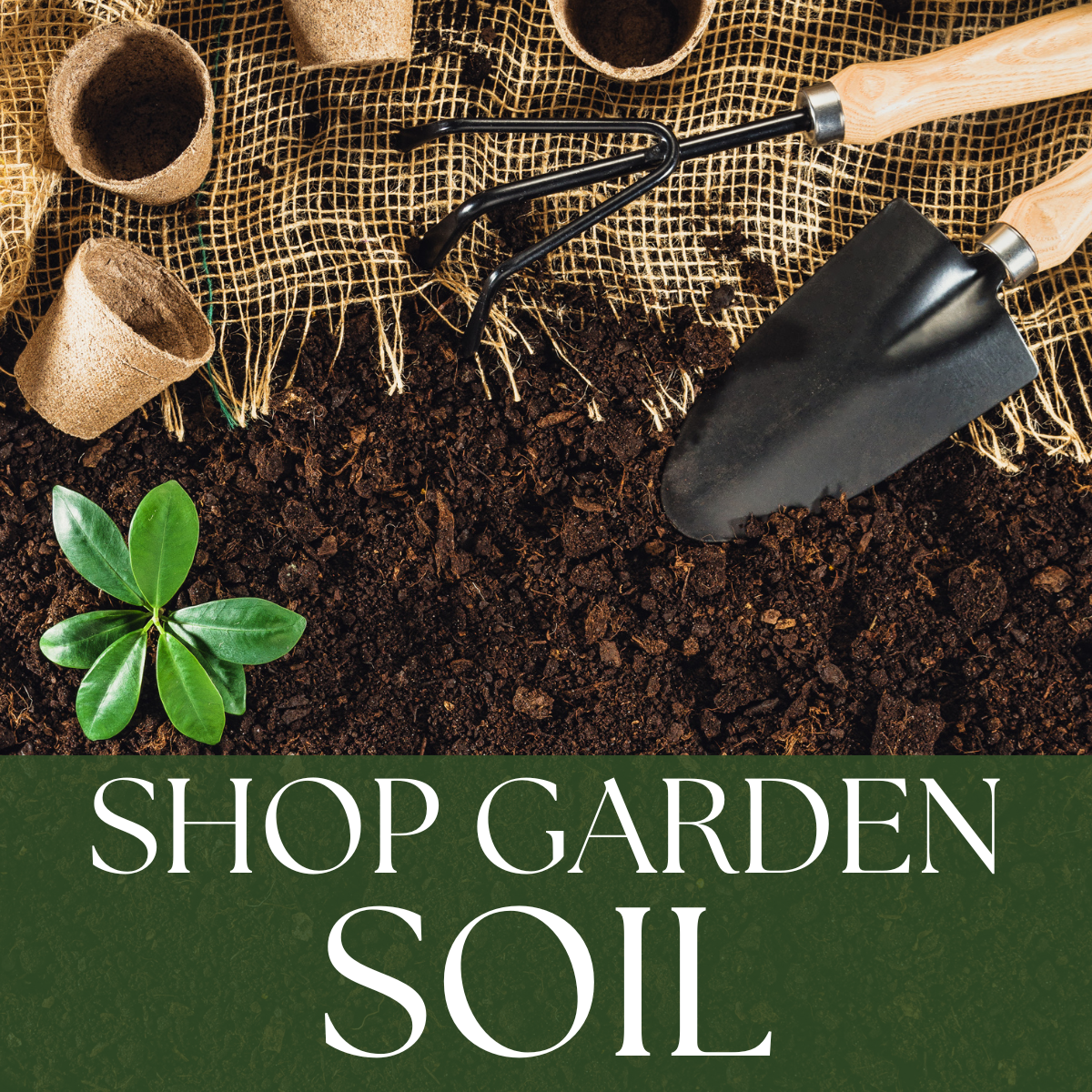
Shop My Favorite Soil Conditioner for my Garden
Find all the Soil Conditioner, Potting Soil and Soil Amendments that I use in my client’s gardens here.
Building Better Soil From the Ground Up
Healthy soil is not just dirt. It is a living ecosystem made up of minerals, organic matter, air, water, and billions of microorganisms. When soil becomes compacted, depleted, or unbalanced, plant roots struggle to grow, absorb nutrients, and access oxygen.
This is where soil conditioner comes in.
When worked into the top layer of soil, a good conditioner loosens heavy clay, giving roots room to expand and allowing water to drain properly instead of sitting and causing rot. In sandy soils, it does the opposite, helping the soil hold onto moisture and nutrients that would otherwise wash away too quickly. It essentially brings balance, creating a structure that holds just enough water while still allowing excess to move through.
Over time, this improved structure leads to stronger root systems, which directly impacts how well plants grow, bloom, and withstand stress.
Feeding the Soil, Not Just the Plant
One of the most important distinctions to understand is that soil conditioner feeds the soil first. Unlike quick release fertilizers that target the plant directly, conditioners nourish the microbial life within the soil.
As organic matter breaks down, it becomes a food source for beneficial bacteria, fungi, and earthworms. These organisms are constantly working to convert raw nutrients into forms that plants can actually absorb. Without them, even nutrient rich soil can become ineffective.
This is why gardens that regularly incorporate soil conditioners tend to improve year after year. The soil becomes richer, darker, and more biologically active. It develops that soft, crumbly texture that gardeners often describe as “good garden soil”, where everything just seems to grow better.
Improving Moisture Retention and Drainage at the Same Time
It may sound contradictory, but one of the most remarkable qualities of soil conditioner is its ability to help soil both retain moisture and drain efficiently.
In practical terms, this means your garden stays evenly hydrated. Plants are less likely to dry out quickly during heat, and they are also less likely to suffer from waterlogged roots after heavy rain. This balance reduces stress on plants and creates more consistent growing conditions, which is especially important during extreme weather swings.
Supporting Long Term Plant Health
When soil is conditioned regularly, plants develop deeper, more resilient root systems. Instead of staying near the surface where conditions fluctuate, roots grow downward into stable, nutrient rich layers. This leads to plants that are more drought tolerant, more resistant to disease, and better able to handle seasonal changes.
You will often notice stronger stems, more vigorous growth, and improved flowering or fruiting. These are not just surface level improvements, they are direct results of healthier soil biology and structure below ground.
The Difference You Can See and Feel
Over time, conditioned soil becomes noticeably different. It is easier to work with, easier to plant in, and far more forgiving. It does not crust over as easily, it drains more evenly, and it holds together in a soft, crumbly way that signals balance.
Gardeners who consistently use soil conditioner often find they need fewer inputs overall. Watering becomes less frequent, plants require less intervention, and the garden begins to maintain itself in a more natural rhythm.
Why Soil Conditioner Works So Well With Mulch
When paired with mulch, soil conditioner becomes even more effective. The conditioner enriches and builds the soil beneath, while the mulch protects that investment by holding in moisture, regulating temperature, and slowing down the breakdown process.
Together, they create a layered system where the soil is continuously improving while being shielded from the elements. This is the foundation of a truly healthy garden, one that gets better with each passing season.
In the end, soil conditioner is not a quick fix. It is a long term investment in the health of your garden. When you focus on improving the soil, everything planted in it responds. Growth becomes stronger, maintenance becomes easier, and the garden begins to reflect the kind of natural balance that every gardener is after.

Shop my Amazon Favorites!
Shop my Amazon storefront for chic + practical finds to pretty up your home inside and out! Every pick is personally bought and tested by me—no false advertising, just fabulous finds you can trust!