Plant Disease Toolkit: Protecting Your Garden Investment
There is nothing sweeter than watching your garden grow, those fresh green leaves, new blooms opening up, everything looking just right… and then one morning you notice something is off. A few yellow leaves, a spot here, a little powdery coating there. It can sneak up on you quickly.
The good news is, plant disease does not have to take over your garden. With a little know-how and a proactive approach, you can catch issues early, treat them effectively, and keep your plants thriving all season long.
If you want to gather the products and tools mentioned in this guide, you can find them all right here:
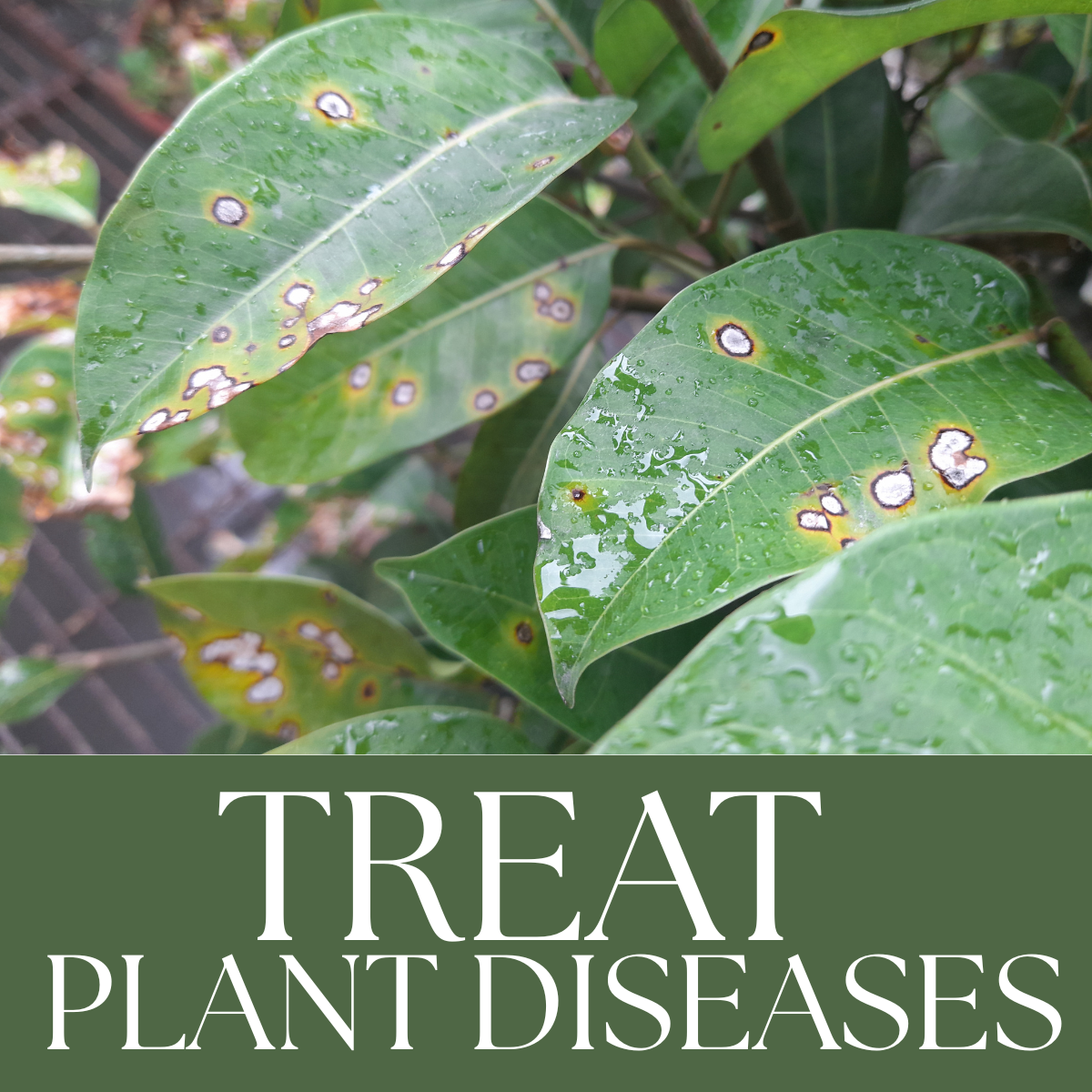
How to treat common
plant diseases
Find all my favorite plant disease treatments, deer deterrents, and garden pest repellents in one place!
Plant Disease Care Guide
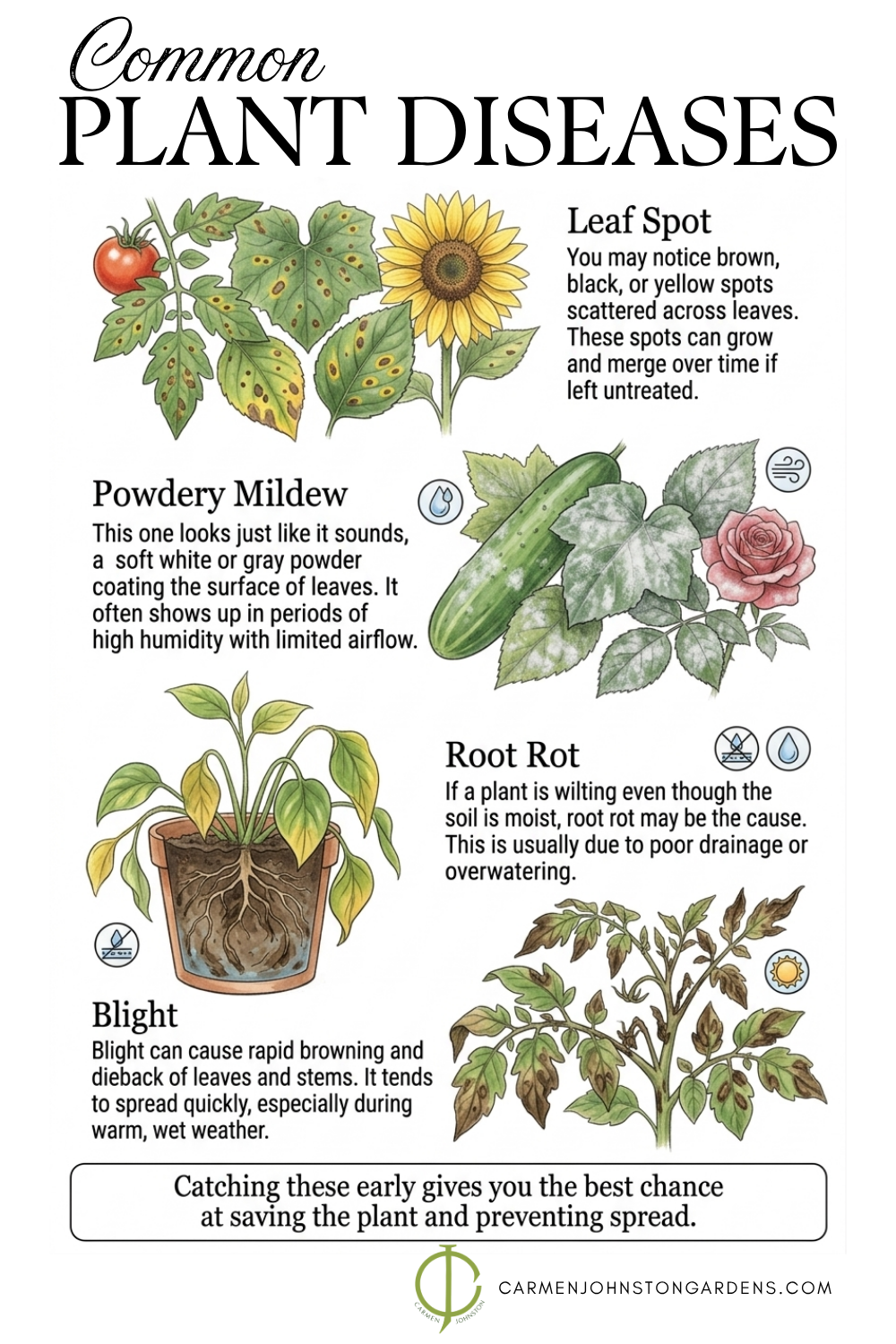
How to Identify Common Plant Diseases
The first step in treating plant disease is knowing what you are looking at. Most issues in the garden fall into a few common categories, especially in warm, humid climates.
What type of common plant diseases attack home gardens?
Leaf spot
You may notice brown, black, or yellow spots scattered across leaves. These spots can grow and merge over time if left untreated.
Powdery mildew
This one looks just like it sounds, a soft white or gray powder coating the surface of leaves. It often shows up in periods of high humidity with limited airflow.
Root rot
If a plant is wilting even though the soil is moist, root rot may be the cause. This is usually due to poor drainage or overwatering.
Blight
Blight can cause rapid browning and dieback of leaves and stems. It tends to spread quickly, especially during warm, wet weather.
Catching these early gives you the best chance at saving the plant and preventing spread.
What Causes Plant Diseases in the Garden
Most plant diseases are caused by fungal organisms that thrive in very specific conditions. Once you understand what they need, you can begin to prevent them.
Common causes include:
Excess moisture sitting on leaves
Poor air circulation between plants
Overcrowding in garden beds
Warm temperatures paired with high humidity
Soil that does not drain well
When these conditions come together, disease pressure increases quickly.
Simple Ways to Prevent Plant Disease
A healthy garden starts with prevention. These small habits make a big difference over time.
Give your plants room to breathe
Proper spacing allows air to move freely, helping leaves dry faster after watering or rain.
Water early and at the base
Always water in the morning so plants can dry throughout the day. Keep water at the roots instead of on the leaves.
Build strong, healthy soil
Rich, well-draining soil supports stronger plants that are naturally more resistant to disease.
Keep your garden clean
Remove fallen leaves and any diseased plant material as soon as you notice it. This stops problems from spreading.
Stay consistent
Regular observation is key. A quick walk through your garden each day helps you catch issues before they get out of hand.
How to Treat Plant Diseases Effectively
Even with the best care, disease can still show up from time to time. The goal is to act quickly and confidently.
Step 1: Remove affected areas
Trim away any diseased leaves or stems using clean tools. This helps stop the spread right away.
Step 2: Improve conditions
Check spacing, airflow, and watering habits. Small adjustments can make a big difference.
Step 3: Apply treatment products
Depending on the issue, you can use:
Neem oil for general fungal control and prevention
Copper fungicide for more persistent fungal issues
Biofungicides as a gentler, preventative option
Apply in the early morning or evening and follow label directions carefully.
Step 4: Monitor and repeat as needed
Most treatments require more than one application. Stay consistent and keep an eye on new growth.
Best Products for Plant Disease Care
Having the right products on hand makes it so much easier to respond quickly when something pops up in the garden.
You can find a curated collection of:
Neem oil sprays
Copper fungicides
Biofungicides
Garden sprayers and plant care tools
Frequently Asked Questions
What is the most common plant disease in home gardens?
Fungal diseases like leaf spot and powdery mildew are the most common, especially in humid climates.
Can plants recover from disease?
Yes, many plants can recover if the disease is caught early and treated properly. Removing affected areas and improving conditions are key.
How often should I apply neem oil?
Typically every 7 to 14 days, depending on the severity of the issue and weather conditions. Always follow the product instructions.
Should I remove diseased leaves?
Yes, removing infected leaves helps prevent the disease from spreading to healthy parts of the plant.
Is it better to treat or prevent plant disease?
Prevention is always easier and more effective, but early treatment can still save most plants.
Final Thoughts
A beautiful garden is not about perfection, it is about paying attention and caring for what you grow. When you learn to recognize the early signs of plant disease and respond quickly, you give your garden the best chance to stay healthy and strong.
With a little consistency and the right tools, you can handle whatever comes your way and keep your garden looking its very best all season long.
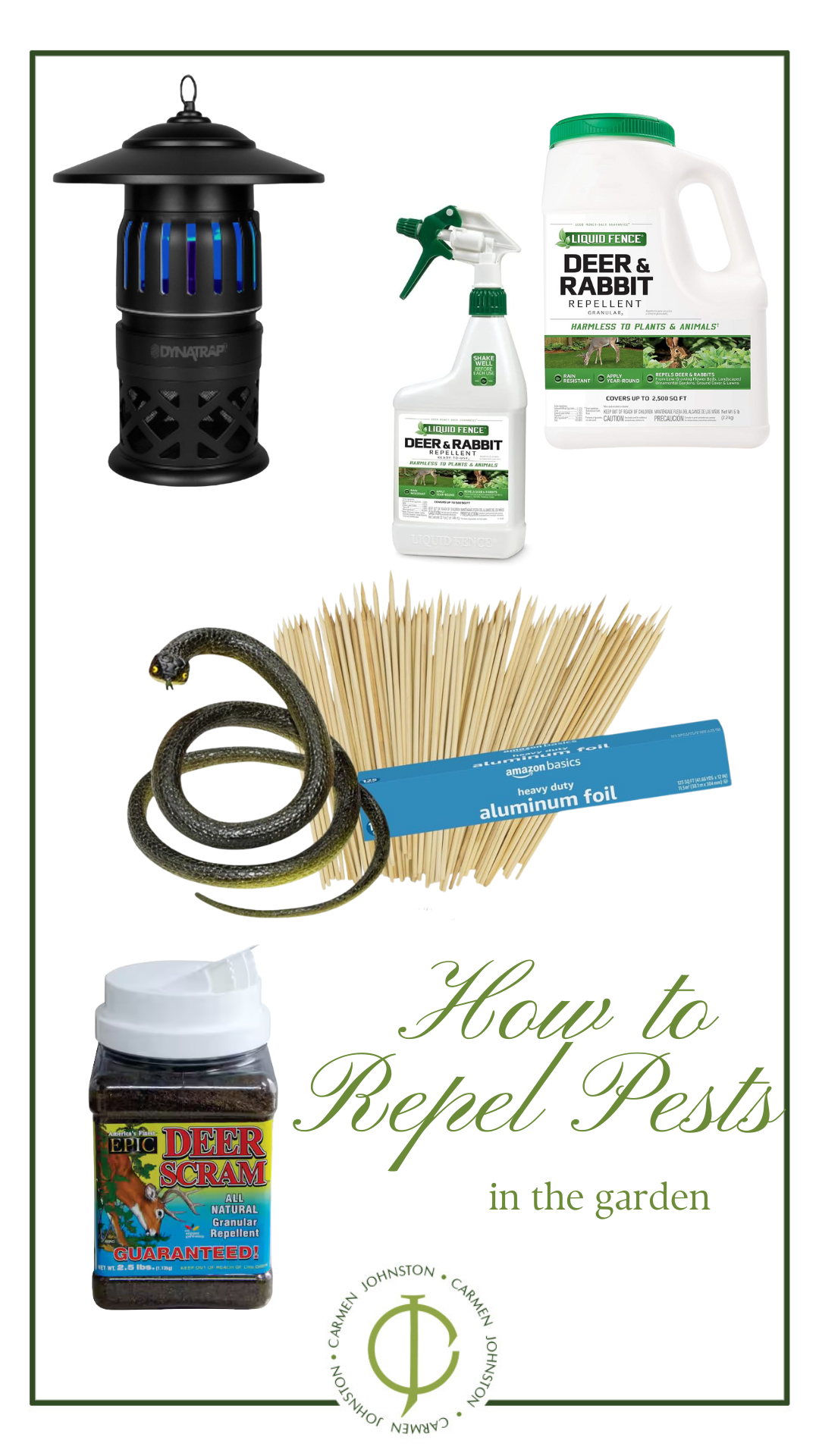
Looking for Deer Deterrents?
Here are my top tricks for deterring deer and other furry friends!

Shop my Amazon Favorites!
Shop my Amazon storefront for chic + practical finds to pretty up your home inside and out! Every pick is personally bought and tested by me—no false advertising, just fabulous finds you can trust!