Secret to Keeping Container Plants Alive in a Drought
When temperatures rise and rainfall disappears, container plants are often the first to struggle. In our gardens, one of the most reliable and water-wise techniques we use during drought conditions is placing saucers under our pots, not just to catch excess water, but to intentionally bottom water.
This simple method helps conserve water, supports healthier root systems, and keeps containers thriving through extreme heat.
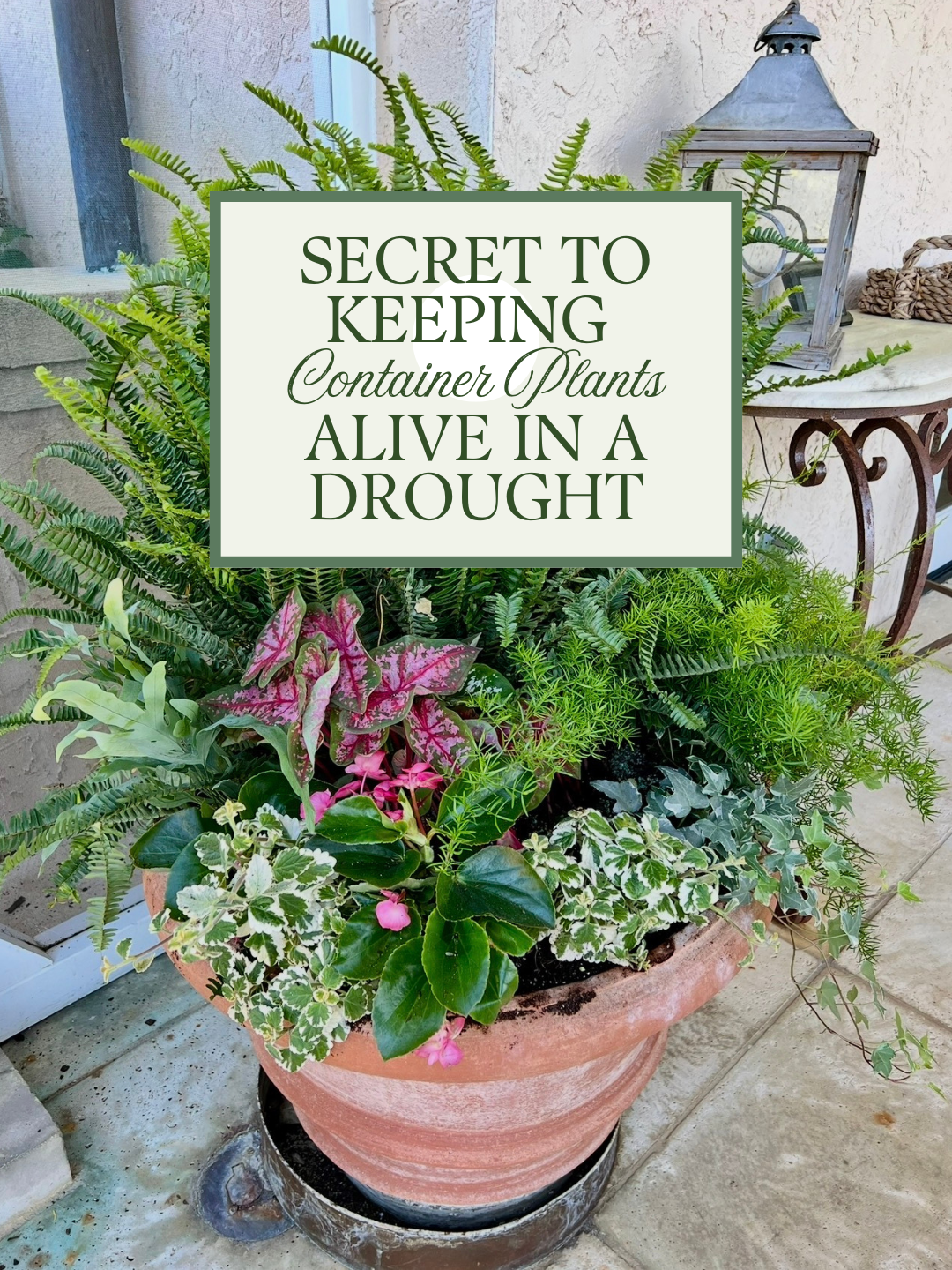
Why Using Saucers Works, The Science Behind Bottom Watering
When temperatures rise and rainfall disappears, container plants are often the first to struggle. In our gardens, one of the most reliable and water-wise techniques we use during drought conditions is placing saucers under our pots, not just to catch excess water, but to intentionally bottom water.
This simple method helps conserve water, supports healthier root systems, and keeps containers thriving through extreme heat.
When water collects in a saucer beneath a container, it does not just sit there. It naturally moves upward into the soil through capillary action.
Think of potting soil like a sponge. When it dries out, it actively pulls water upward.
Here is what is happening below the surface:
Dry soil draws moisture up from the saucer
Tiny air pockets between soil particles act like narrow channels
Water moves from the saucer into the root ball and throughout the soil
This process delivers moisture exactly where plants need it most.
Key benefits of capillary watering:
Consistent moisture at the root level
Less water waste from runoff
More efficient hydration for container plants
Why Bottom Watering is So Effective in Drought Conditions
Bottom watering with saucers is one of the best ways to protect container plants during hot, dry weather.
It helps:
Encourage deeper root growth as roots reach downward toward water
Reduce evaporation, especially during high heat
Prevent water from running down the sides of dry, compacted soil
Fully rehydrate dry root balls that resist top watering
In drought conditions, this method often makes the difference between a plant that survives and one that struggles.
How to Bottom Water Container Plants Using Saucers
This method is simple and easy to add to your routine.
Place a saucer under your container
Water from the top until excess drains into the saucer
Allow the plant to absorb water from below for about 30 to 60 minutes
If water remains, you can pour off the excess for plants that prefer drier conditions
For extremely dry pots:
Fill the saucer directly
Let the container soak for 1 to 2 hours
In real life, we do not always go back and dump the extra water. The key is knowing your plants and watching how they respond.
How to Choose the Best Saucers for Container Plants
We like to keep a mix of saucer styles on hand depending on the plant and placement.
Terracotta saucers
Breathable and classic, ideal for most containers
Heavy duty plastic saucers
Lightweight and excellent for holding water longer during drought
Deep reservoir saucers
Perfect for large planters and thirsty plants
Decorative glazed or copper saucers
Great for patios and porches where style matters
Selecting the right saucer can make a noticeable difference in how well your containers handle heat stress.
Shop Our Favorite Container Gardening Saucers
Tap here here for recommended saucers, terracotta, plastic, and deep reservoir styles…
Best Plants for Bottom Watering in Containers
Some plants benefit especially from this watering method, particularly in Southern heat and drought conditions.
We use this technique often for:
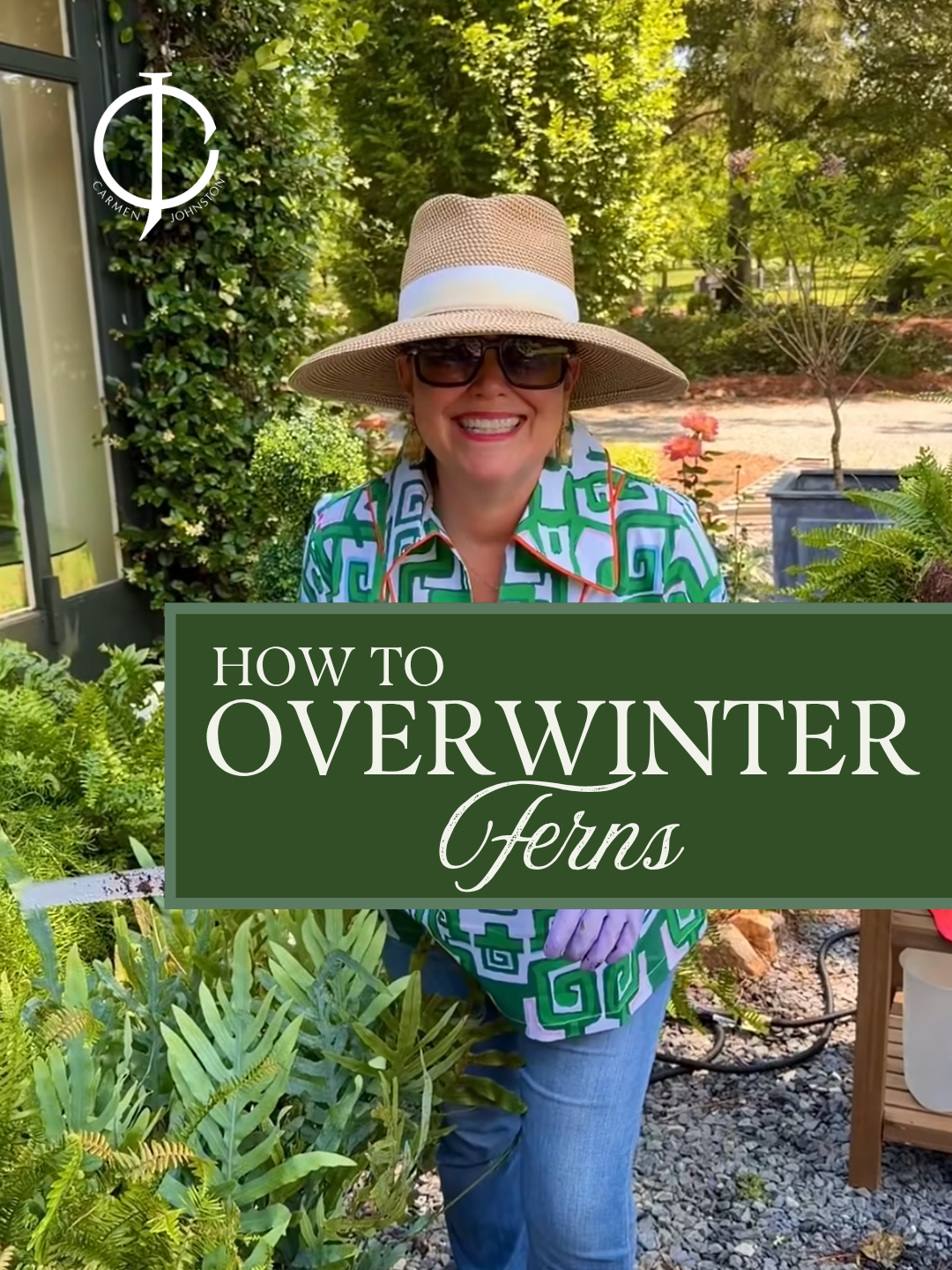
Ferns
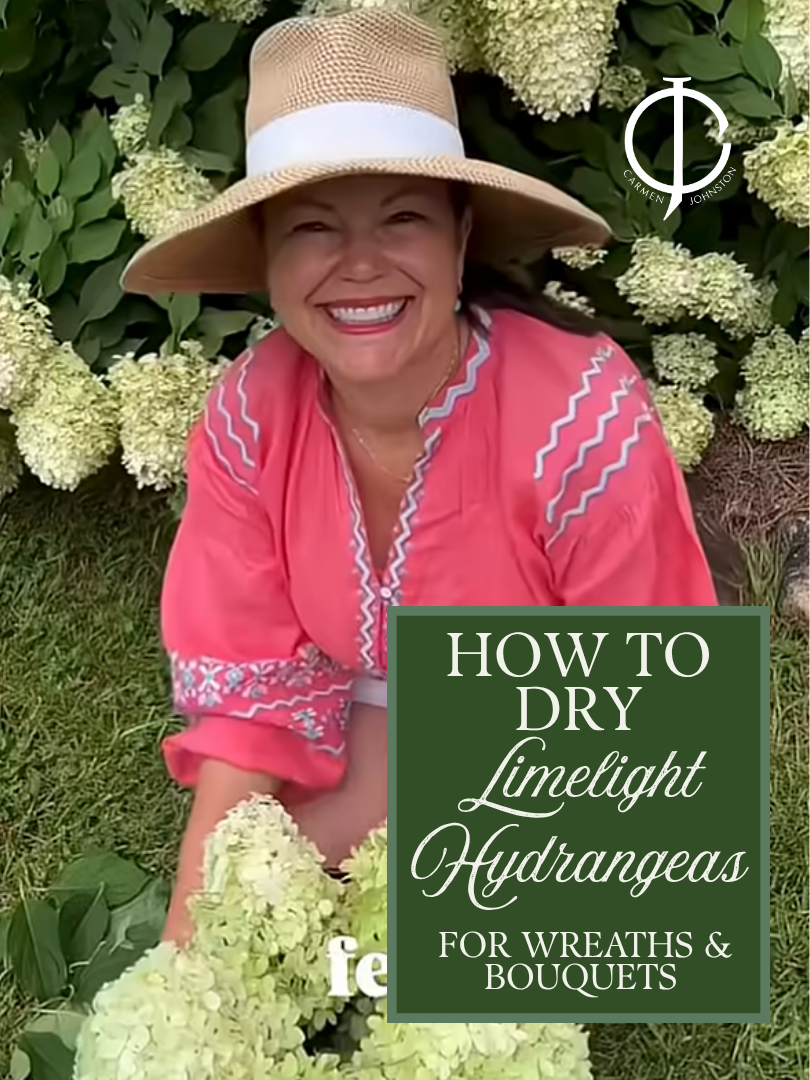
Hydrangeas in containers
Caladiums
Begonias
These plants prefer consistent moisture and respond beautifully to bottom watering.
Pro Tips for Using Saucers in Container Gardening
A few small adjustments can make this method even more effective:
Refill saucers once daily during extreme heat
Always use containers with proper drainage holes
Choose saucers slightly larger than your pots to hold more water
Monitor soil moisture so roots are not sitting in water too long
Using saucers for bottom watering is one of the simplest ways to stretch your water further and support healthier plants during a drought. It is practical, effective, and easy to incorporate into any container garden routine.

Shop my Amazon Favorites!
Shop my Amazon storefront for chic + practical finds to pretty up your home inside and out! Every pick is personally bought and tested by me—no false advertising, just fabulous finds you can trust!