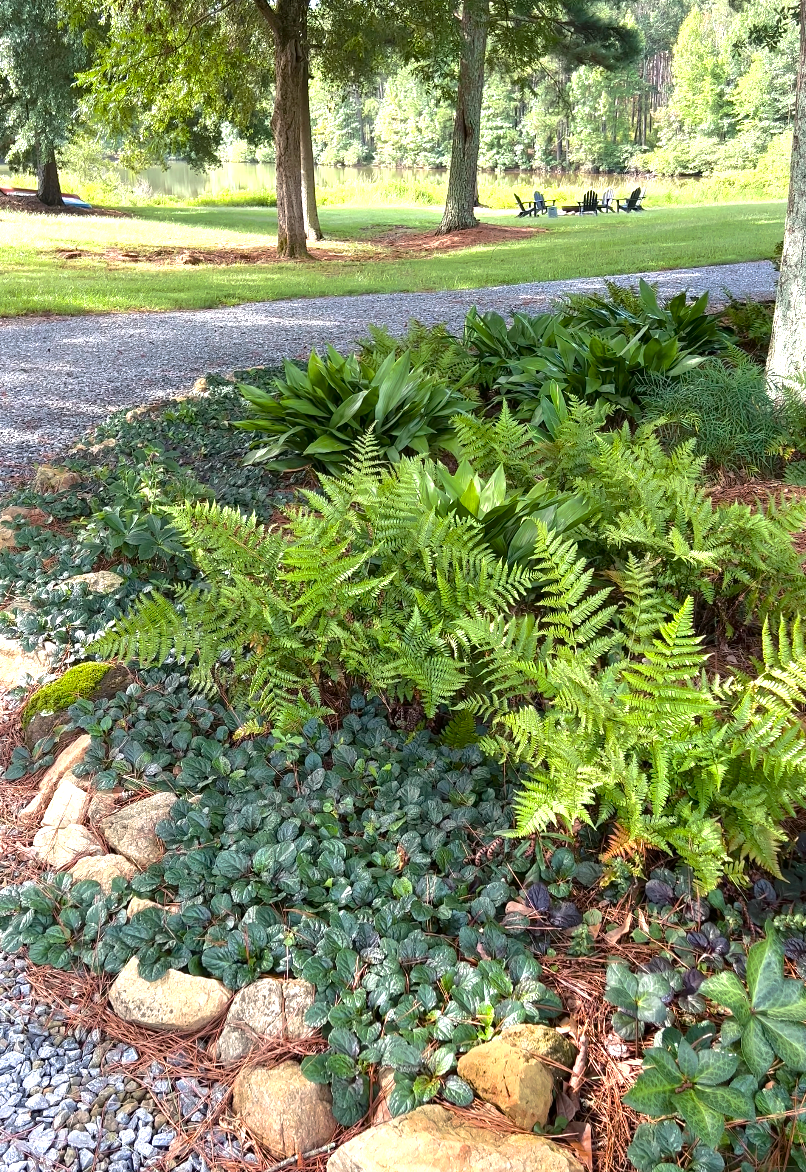
How to Divide Ferns the Right Way for Healthier, Fuller Plants
As ferns move into their most active growing season, this is one of the best opportunities to step in and give them a fresh start.
If your ferns are looking crowded, a little tired, or simply ready to be multiplied, division is one of the easiest and most rewarding things you can do. Done correctly, it not only gives you more plants, it also helps your existing ones grow stronger and fuller.
Let’s walk through how to know which ferns you can divide, how to do it properly, and what to avoid.
Ferns That Work Well in Containers
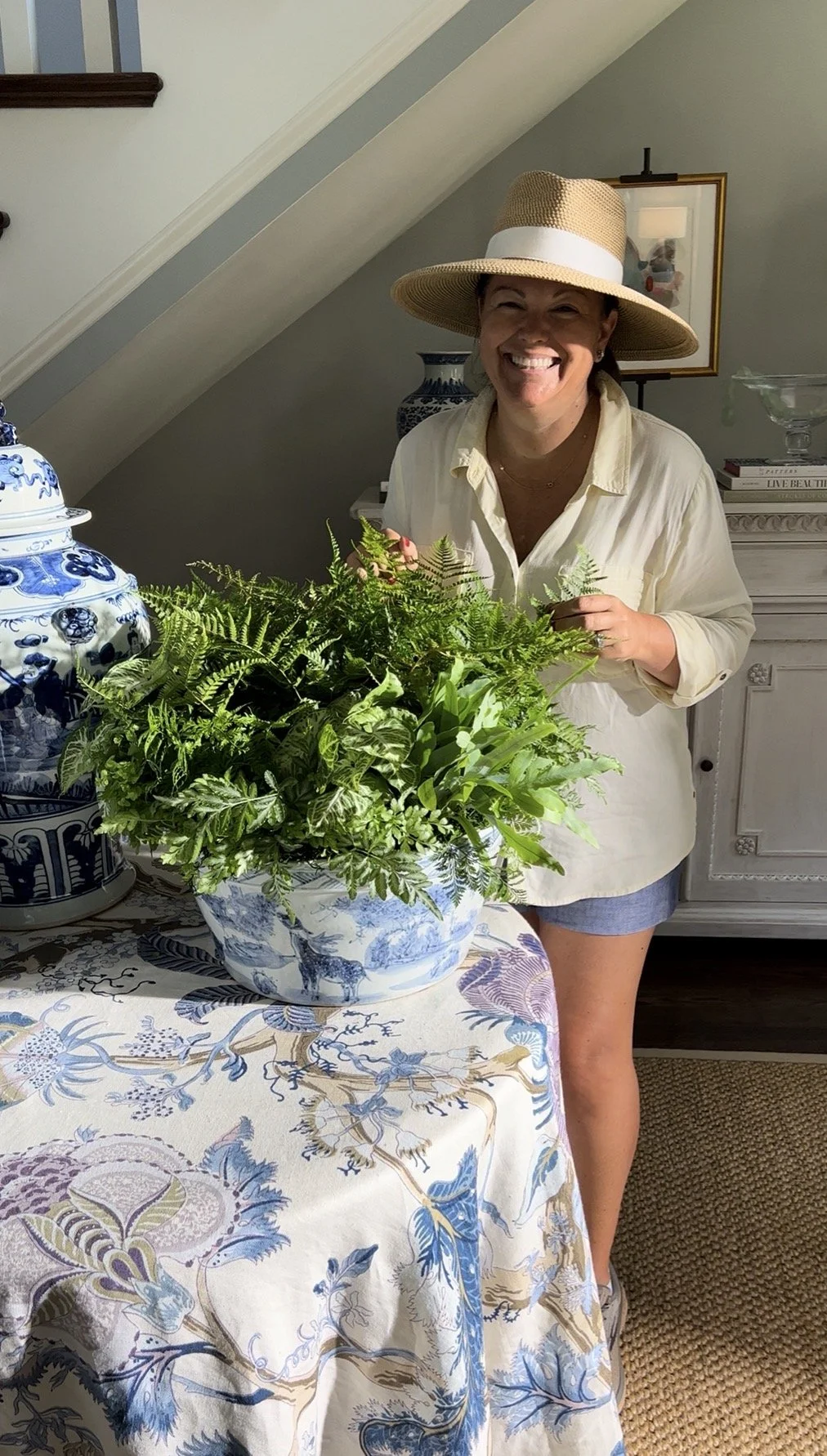
If you are growing ferns in pots or hanging baskets, many of these same varieties can be divided and replanted into new containers.
Good options include:
Boston Fern
Kimberly Queen Fern
Lemon Button Fern
Rabbit’s Foot Fern
Mature Maidenhair Fern, with very gentle handling
Dividing container ferns is a great way to refresh older plants that have become rootbound or lost their fullness.
Which Ferns Can Be Divided
Not all ferns respond the same way to division, so the first step is understanding how your fern grows.
Ferns that grow from rhizomes or form clumping crowns are the best candidates. These types naturally spread over time, which makes them ideal for splitting and replanting.
Some of the most reliable ferns for division include:
Boston Fern
Kimberly Queen Fern
Macho Fern
Autumn Fern
Lady Fern
Japanese Painted Fern
Ostrich Fern
Christmas Fern
Wood Ferns
Cinnamon Fern
Royal Fern
These varieties tend to recover well and continue growing without much interruption when divided properly.
Ferns That Should Not Be Divided
Some ferns do not tolerate division well, and attempting to split them can cause long term damage or loss.
It is best to avoid dividing:
Staghorn Fern
Bird’s Nest Fern
Hart’s Tongue Fern
Tree Ferns
Holly Fern
These types grow differently and are better left undisturbed or propagated using other methods.
How to Divide Ferns Step by Step
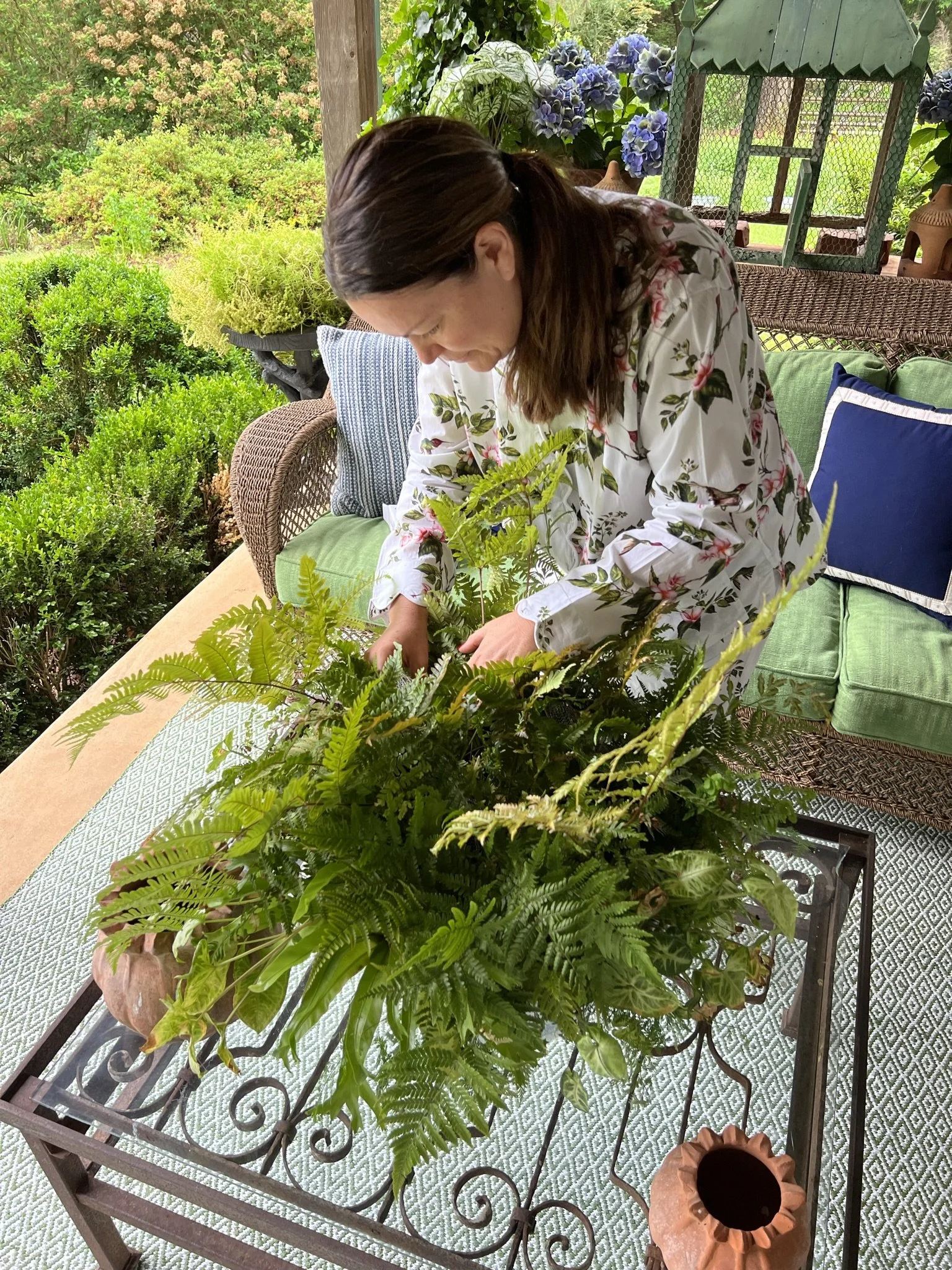
Fern division is simple, but a few key details make all the difference in how well your plants recover.
Start by choosing a cooler time of day, such as early morning or late afternoon. This helps reduce stress on the plant.
Remove the fern from its container or gently dig it up from the garden
Shake off or loosen excess soil so you can see the root structure
Use a clean, sharp knife or spade to divide the plant
Each section should include:
A healthy portion of roots
At least one visible crown or active growing point
Once divided, replant each section right away into soil that is:
Moist
Rich in organic matter
Well draining
After planting, water thoroughly and place the divisions in a shaded area.
For the first week, keep the soil consistently moist and avoid direct sun. This short recovery period helps the plant reestablish without stress.
WATCH THE REPLAY OF MY FERN DIVIDING CLASS ON INSTAGRAM:

I posted a little gardening class on how to divide ferns over on Instagram this past week. Go watch the replay here if you want to see how I divide my ferns!
A Few Final Tips for Fern Success
Fern division is less about precision and more about timing and care.
Divide during active growth, not dormancy
Keep roots from drying out during the process
Replant quickly to reduce stress
Give newly divided plants time in shade before moving them back to their normal conditions
When done thoughtfully, dividing ferns can completely refresh your garden or containers while giving you beautiful, healthy new plants to enjoy or share.
It is one of those simple garden tasks that pays off quickly and continues to reward you throughout the season.

Shop my Amazon Favorites!
Shop my Amazon storefront for chic + practical finds to pretty up your home inside and out! Every pick is personally bought and tested by me—no false advertising, just fabulous finds you can trust!